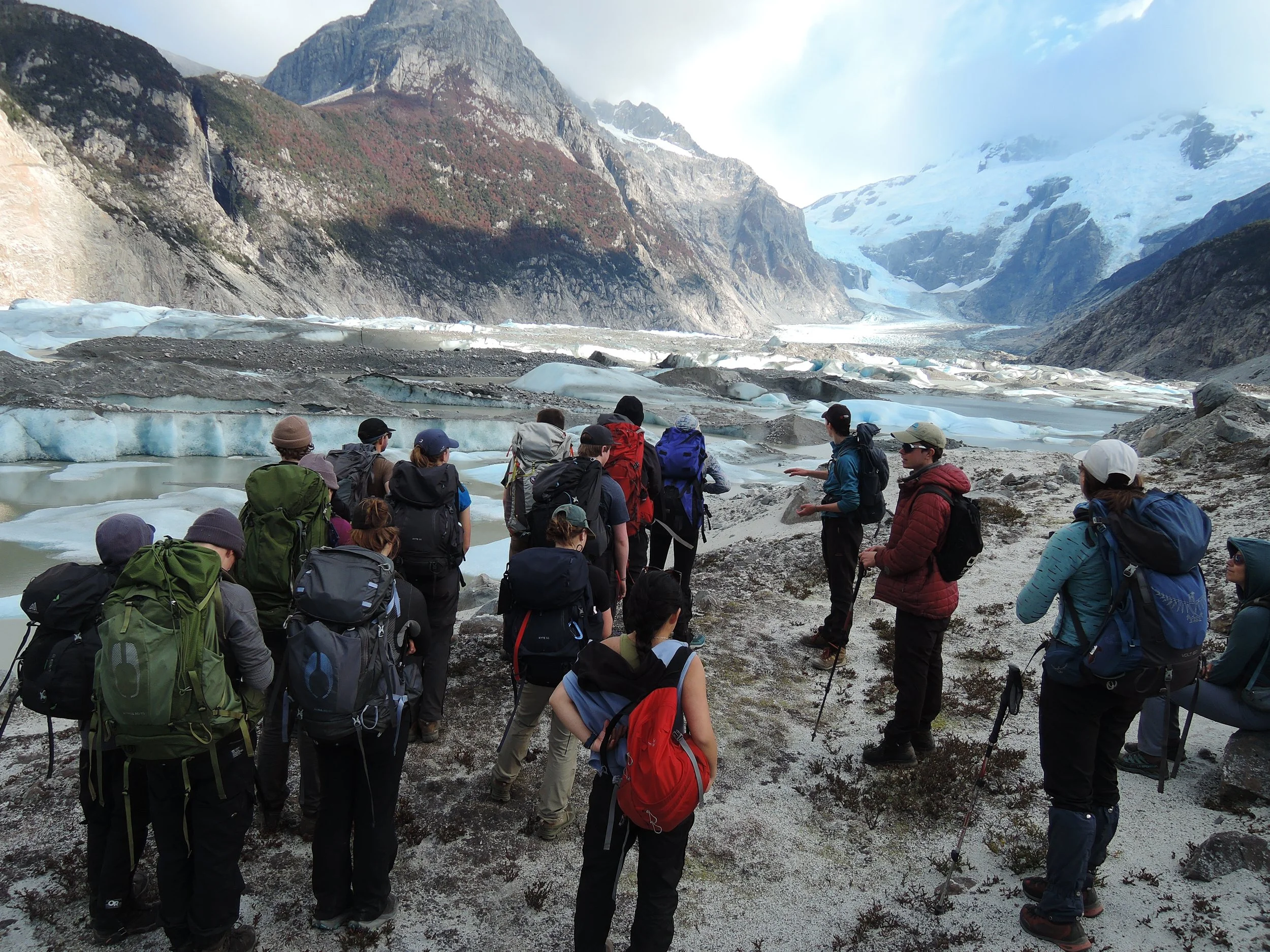
Our open enrollment 9-day backpacking program in Patagonia, Chile is powerful, immersive, and unlike anything else.
Patagonia Frontiers’ 9-day backpacking program strengthens students’ expedition skills through a comprehensive, hands-on, and truly transformative wilderness experience. Based in the remote Soler Valley – accessible only by boat and surrounded by the pristine mountains of Chilean Patagonia – this small-cohort course blends backpacking techniques with cultural connection and an understanding of the larger ecological forces that shape this place.
Designed for students ages 18+ ready to challenge themselves, the program reinforces the essential outdoor skills you’ll carry into your future adventures, while deepening your relationship with the landscapes and communities you encounter.
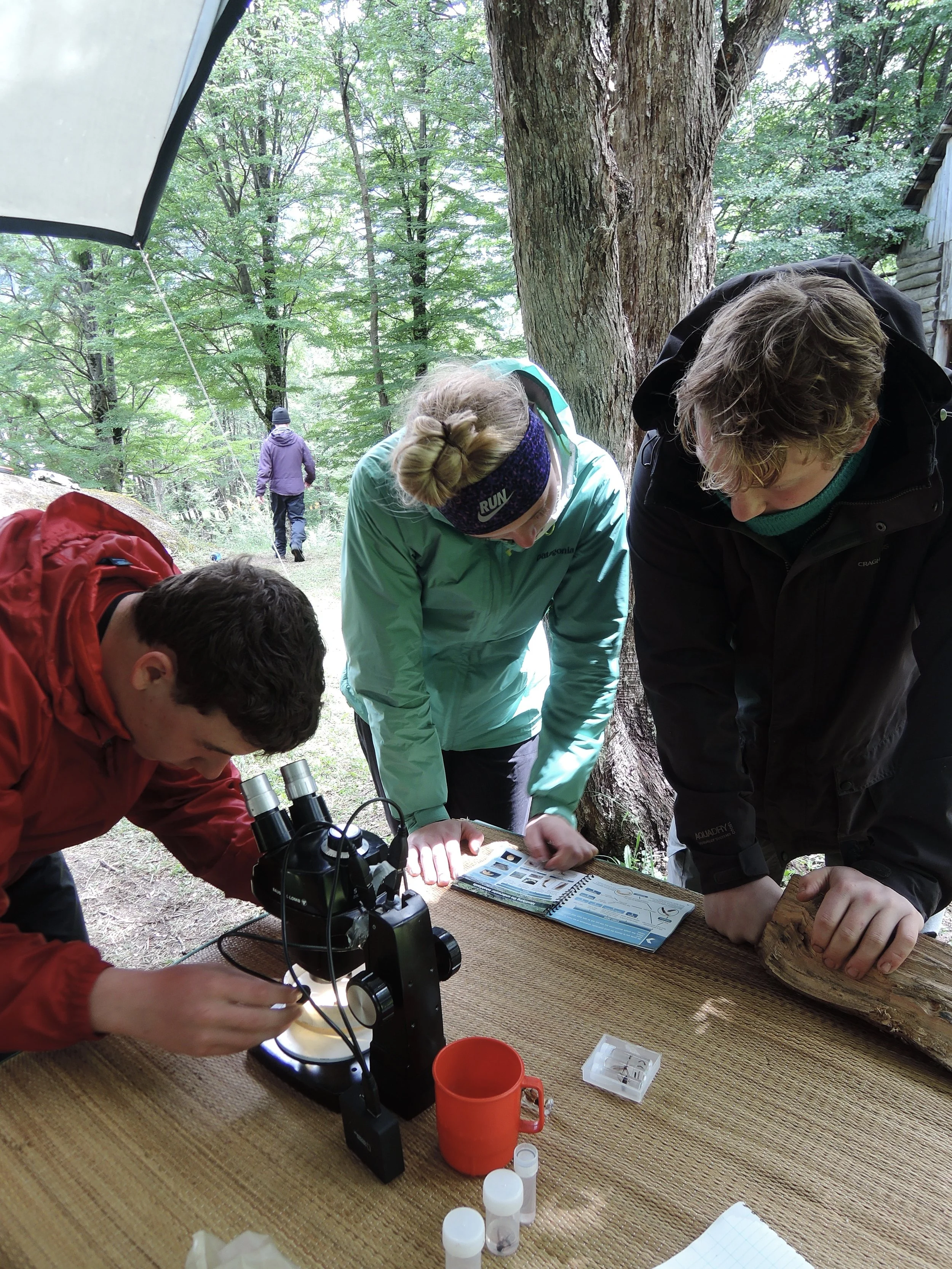
Your classroom is Patagonia Frontiers’ wilderness basecamp and the towering peaks, forests, and rivers that define the Aysén region. Each day, you’ll learn navigation and backcountry travel, gain a working knowledge of local geography and glaciology, and explore the environmental and cultural dynamics that make this corner of the world so extraordinary. More than a backpacking trip, this is an immersion into what it means to move with intention through wild places.
We’re excited to share the astonishing beauty and quiet power of this region with you. Contact us if you’re interested in enrolling or have questions about whether this course is the right fit.
Program DatES:
February 28th - March -8th 2026 (up to 8 students)
March 14th - March 22nd 2026 (up to 8 Students)
Program Cost:
USD$3,825 per student
Details:
This program is an unforgettable and unique experience, perfect for avid outdoor enthusiasts or budding adventurers alike.
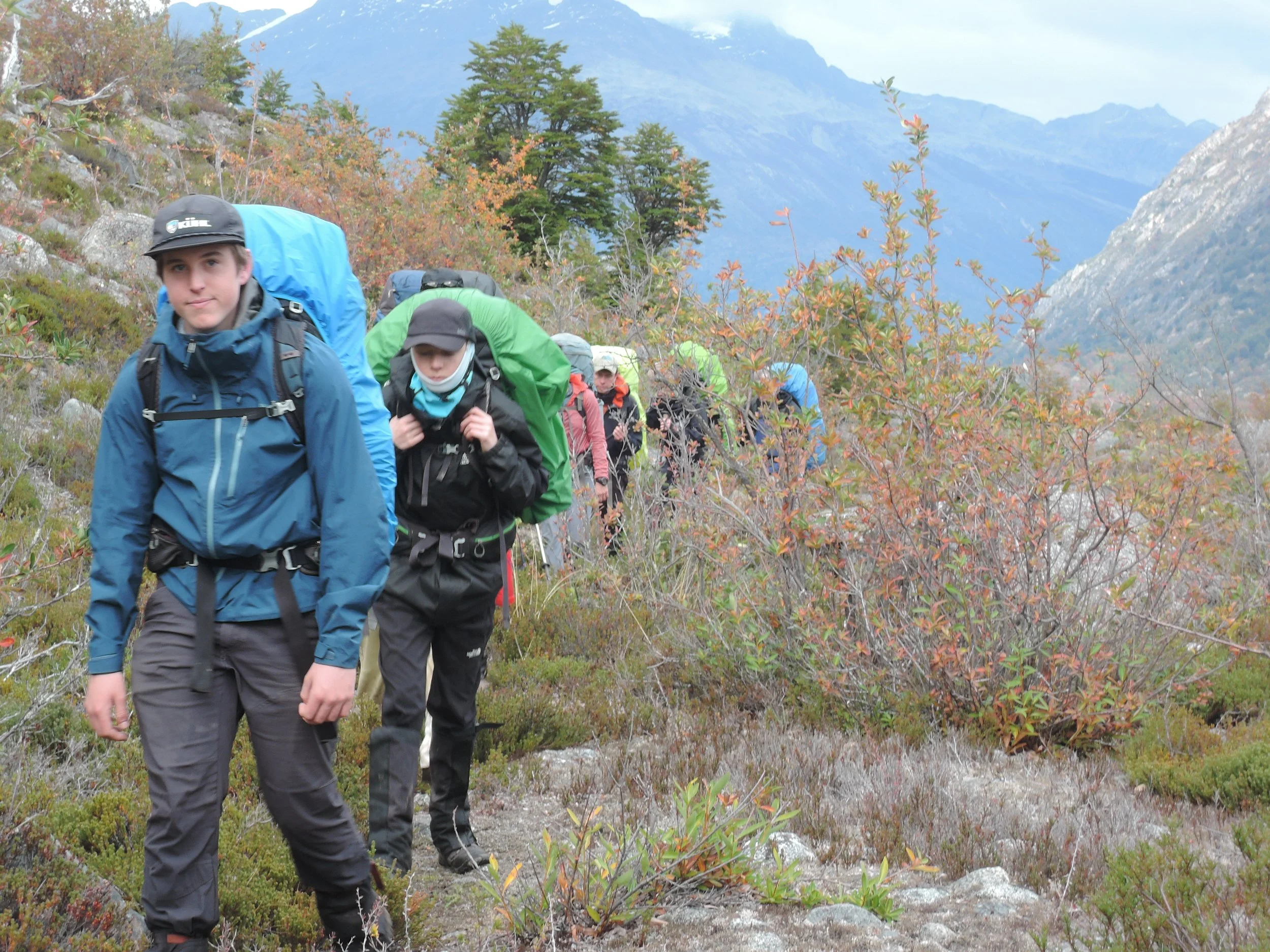
Individuals need to be 18+ and will be expected to hike with a pack for 10-20 km each day carrying 30%-40% of their body weight.
The program includes an arrival day, a transport day, one logistics and day-hike day, four hiking days, another transport day, and an exit day.
Wet feet, unpredictable conditions, and an unmatched adventure are a given
Program Overview:
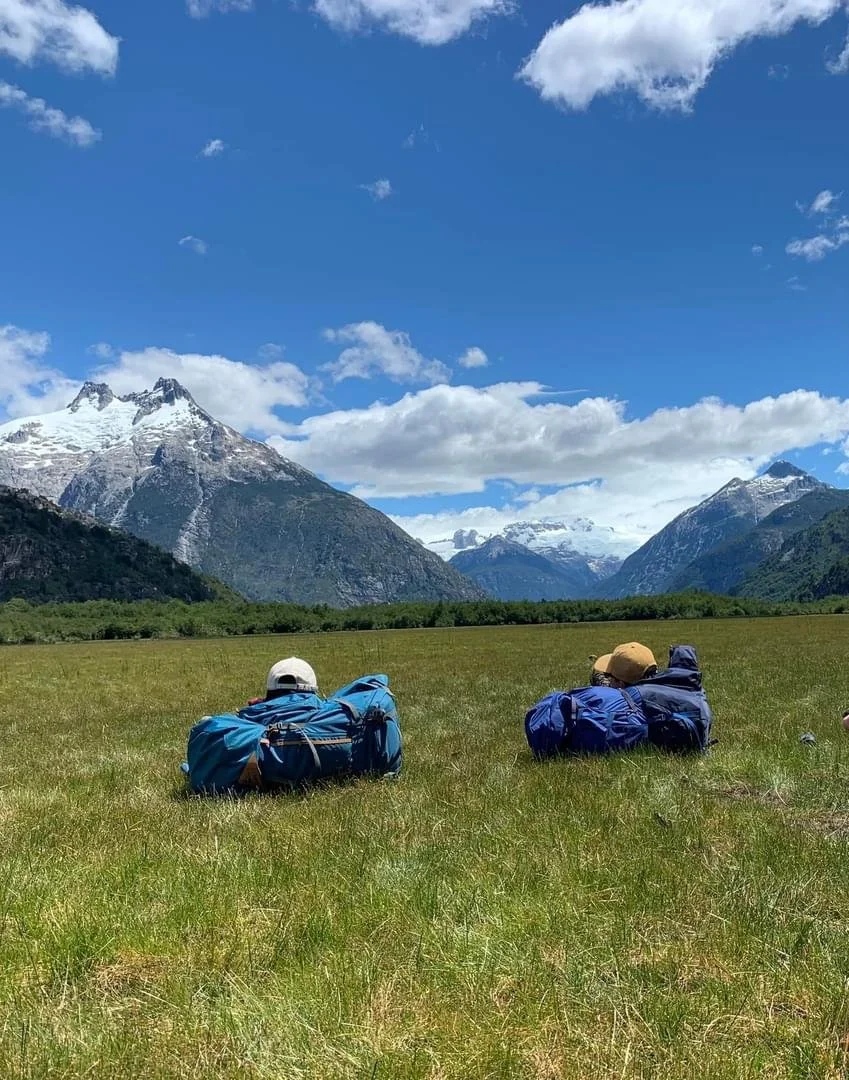
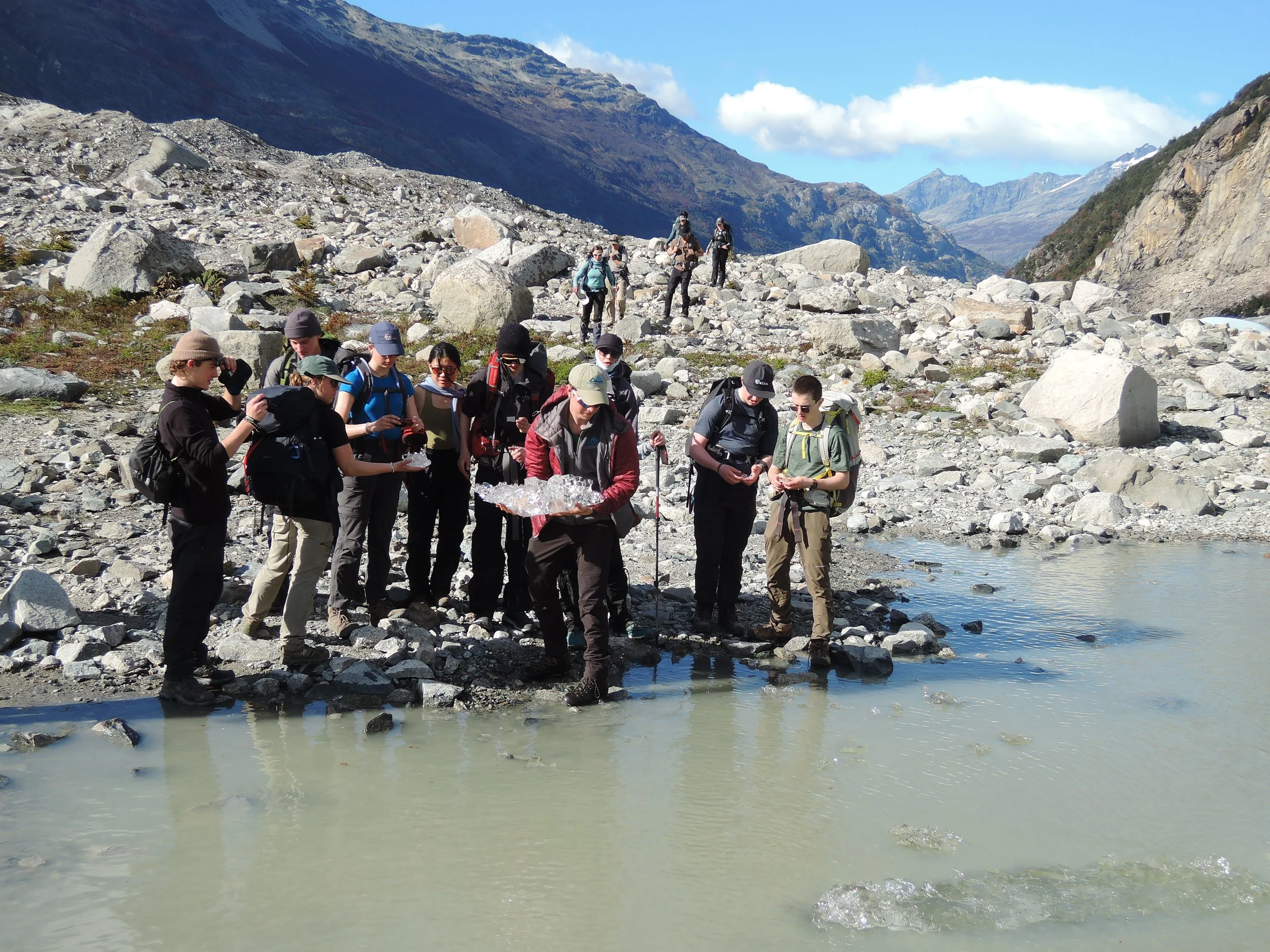
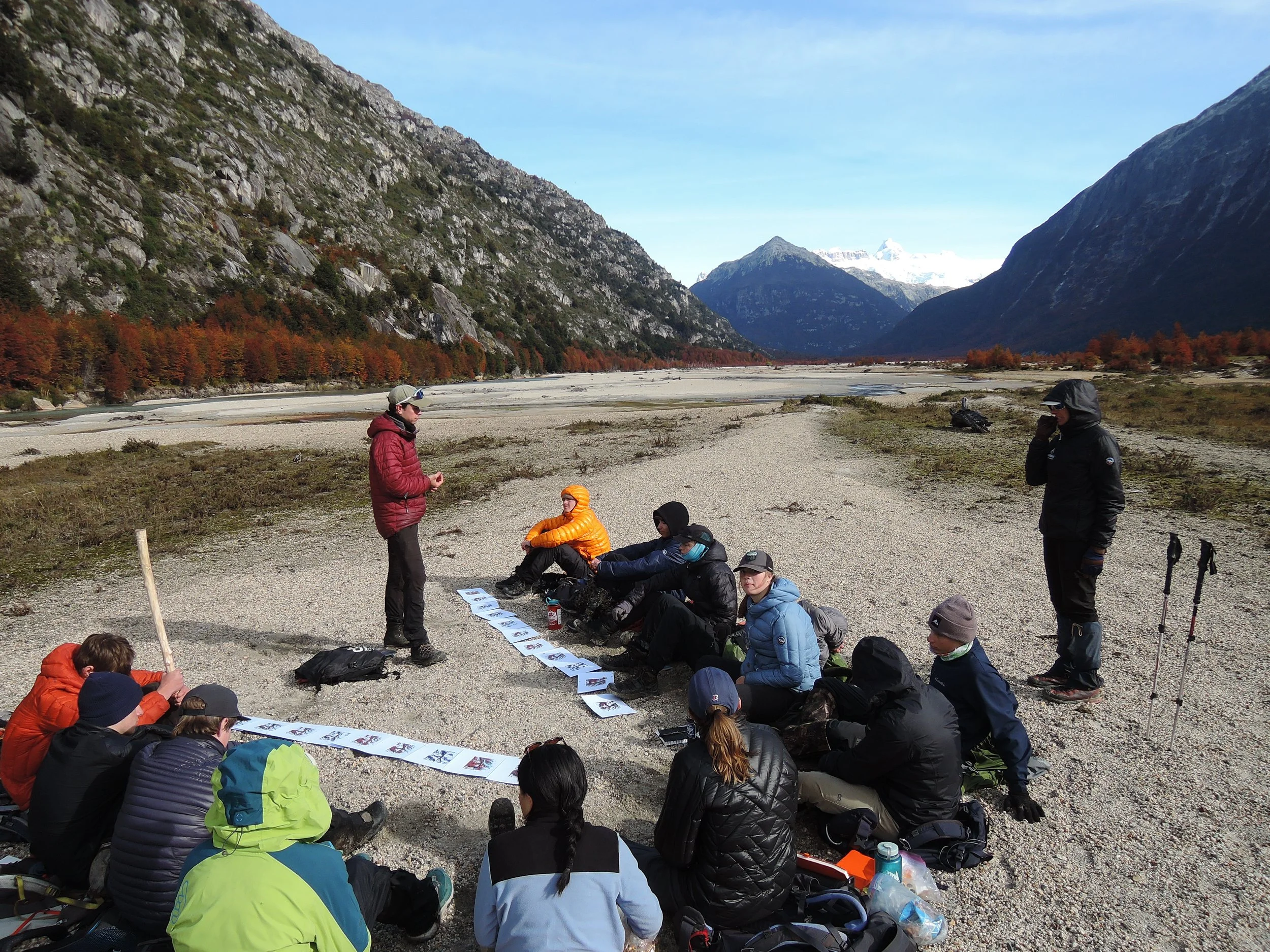
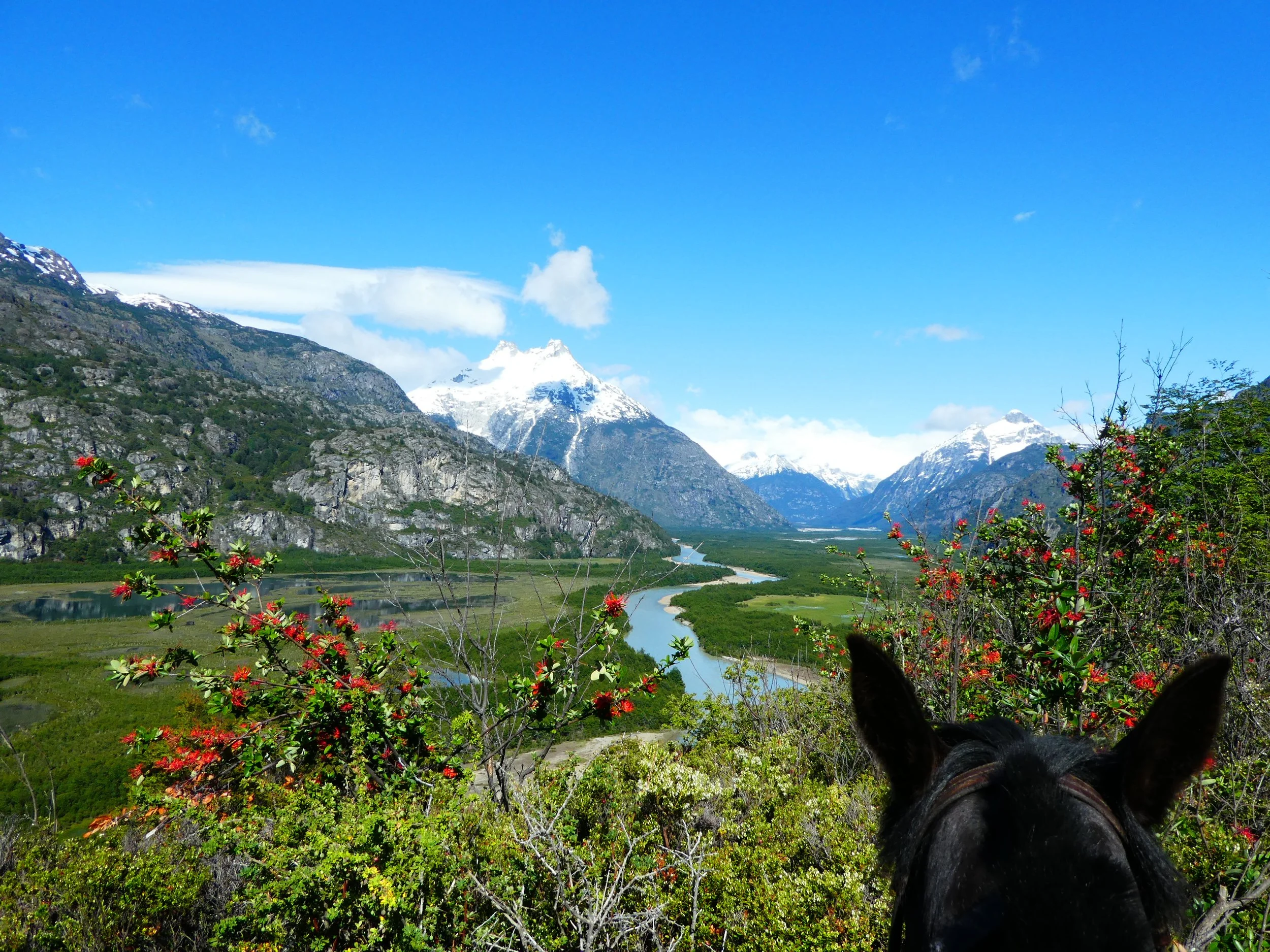
Our trip begins in the town of Coyhaique, often referred to as “the gateway to Patagonia”. From here we will travel by bus to the town of Bertrand, continuing on by boat to our first campsite and home base of Patagonia Frontiers. The first few days of our trip involve logistics and preparation. We will learn about route planning, balancing rations between weight and nutrition, and review essential backpacking skills such as bag packing and waterproofing. We will also use these days to introduce the larger area as a whole. Looking over the deglaciated Soler Valley, students will begin to understand the complexities of Patagonian geography, from morainal features to braided rivers left behind by the retreating ice.
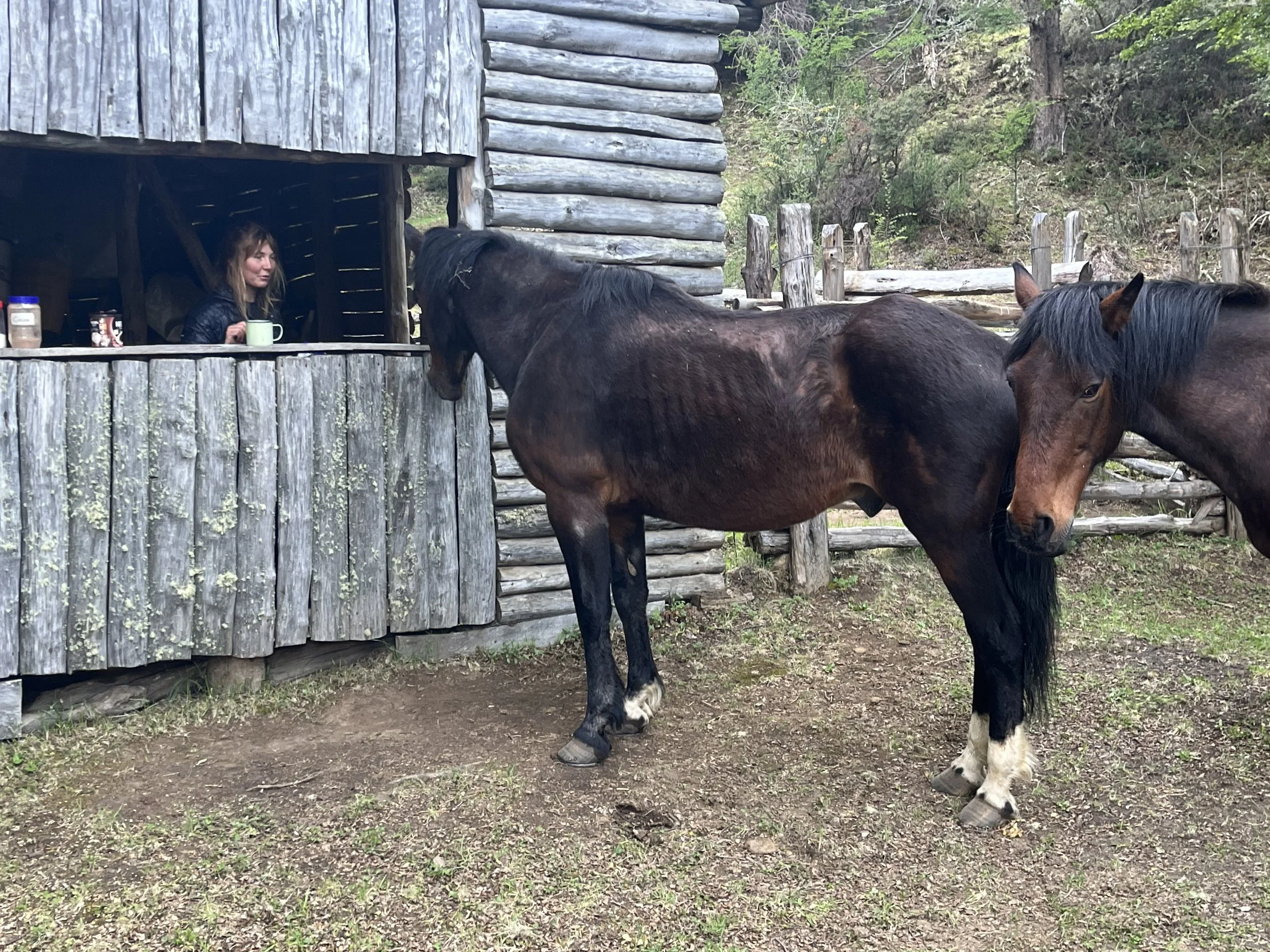
After this preparation, we continue up the valley toward the Soler Glacier along the Gaucho Way, a historic route once used by Chilean cowboys to transport supplies and goods. This trail places cultural significance at the forefront, offering opportunities to learn about local traditions while traveling the same paths as the region’s early settlers
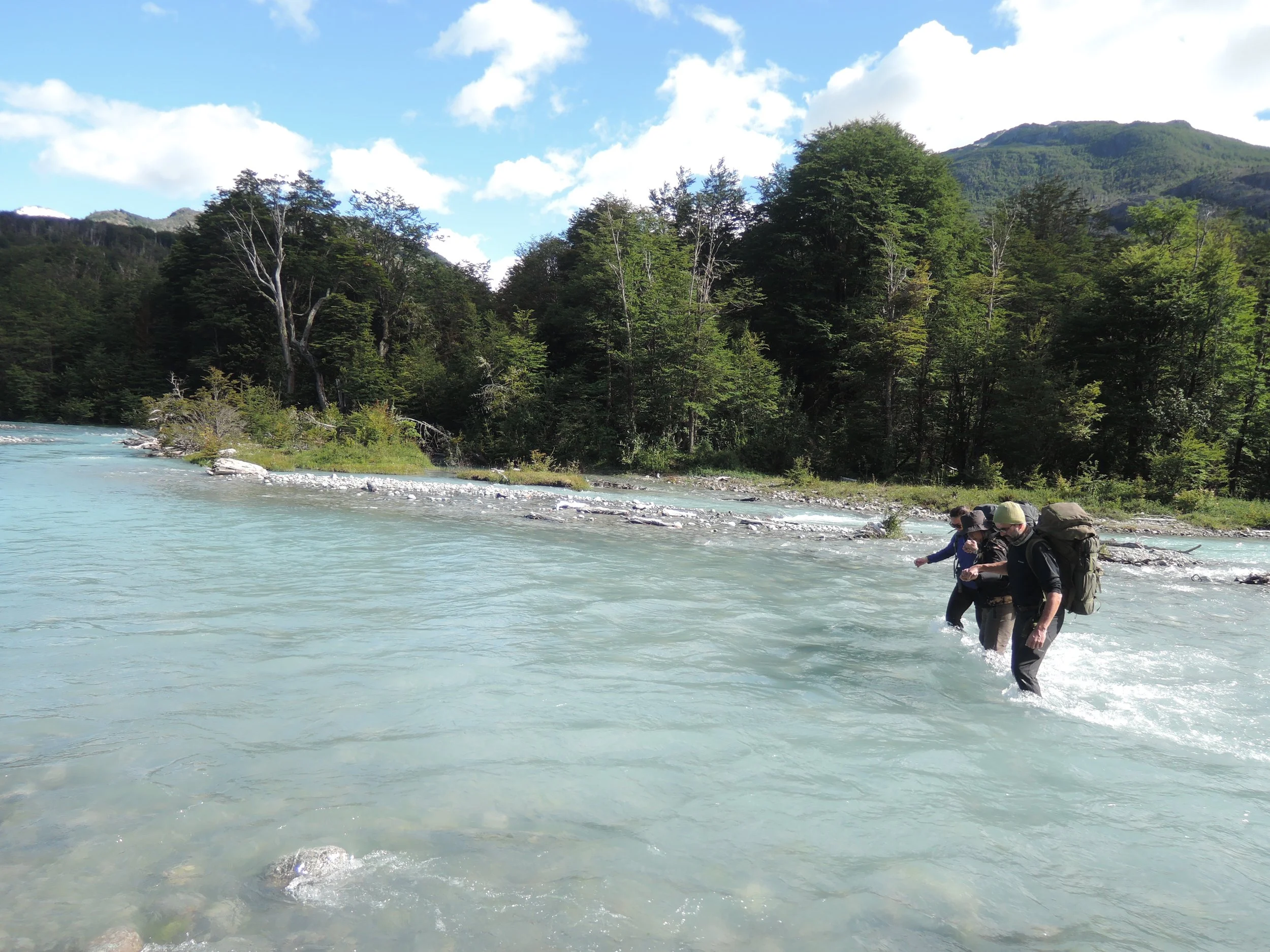
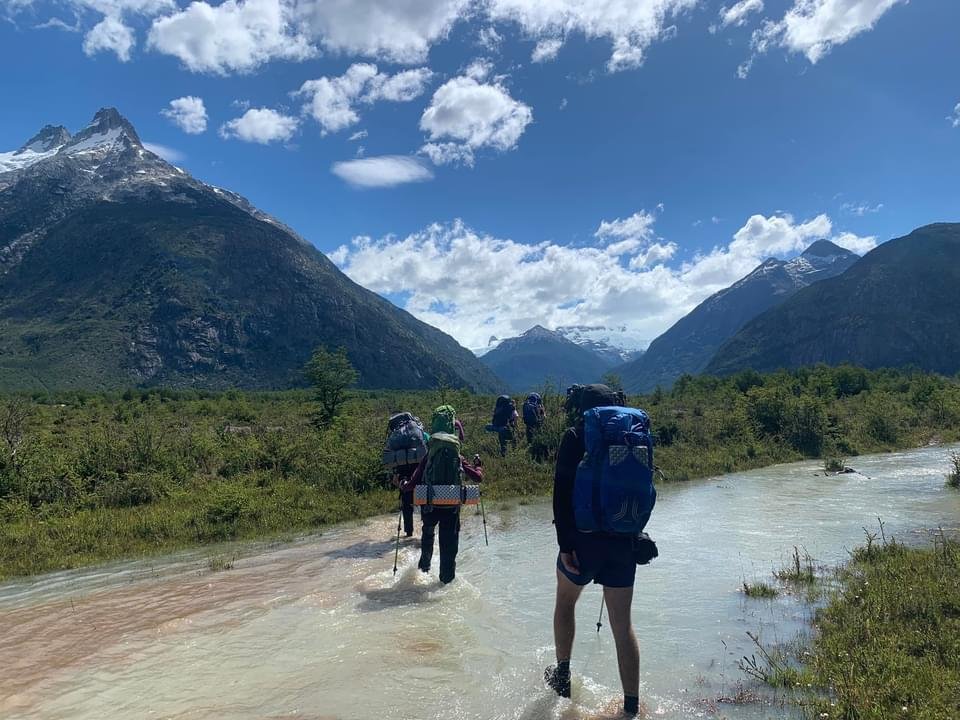
As we progress along this trail, Patagonia presents a variety of challenges and lessons. Despite the valley’s history of settlement, it remains one of the most remote and pristine areas in the world. The region’s unpredictable weather, shifting trails, and limited access to supplies reveal the realities of travel in such an environment. Navigating these conditions is a key learning experience for all participants. Along the route, students may encounter swift river crossings, wet marshes, unstable walking surfaces, and rapid weather changes. Instruction focuses on safe and effective travel techniques while connecting these challenges to the physical processes that shape the landscape.
The course is built on this relationship between physical geography and backcountry travel. Understanding the natural processes that shape the landscape informs every practical decision we make, from campsite selection to route choice. This relationship extends beyond technique. By learning to travel with awareness and intention, students cultivate an ethos of observation and respect for the environments they move through. Through this approach, they not only strengthen their backcountry competence, but also their understanding of what it means to engage responsibly with wild places.
Itinerary at a glance*:
Day 1: Students meet in Coyhaique. After transport to the hostel, students will have dinner and discuss Chilean cultural norms as we prepare for our departure.
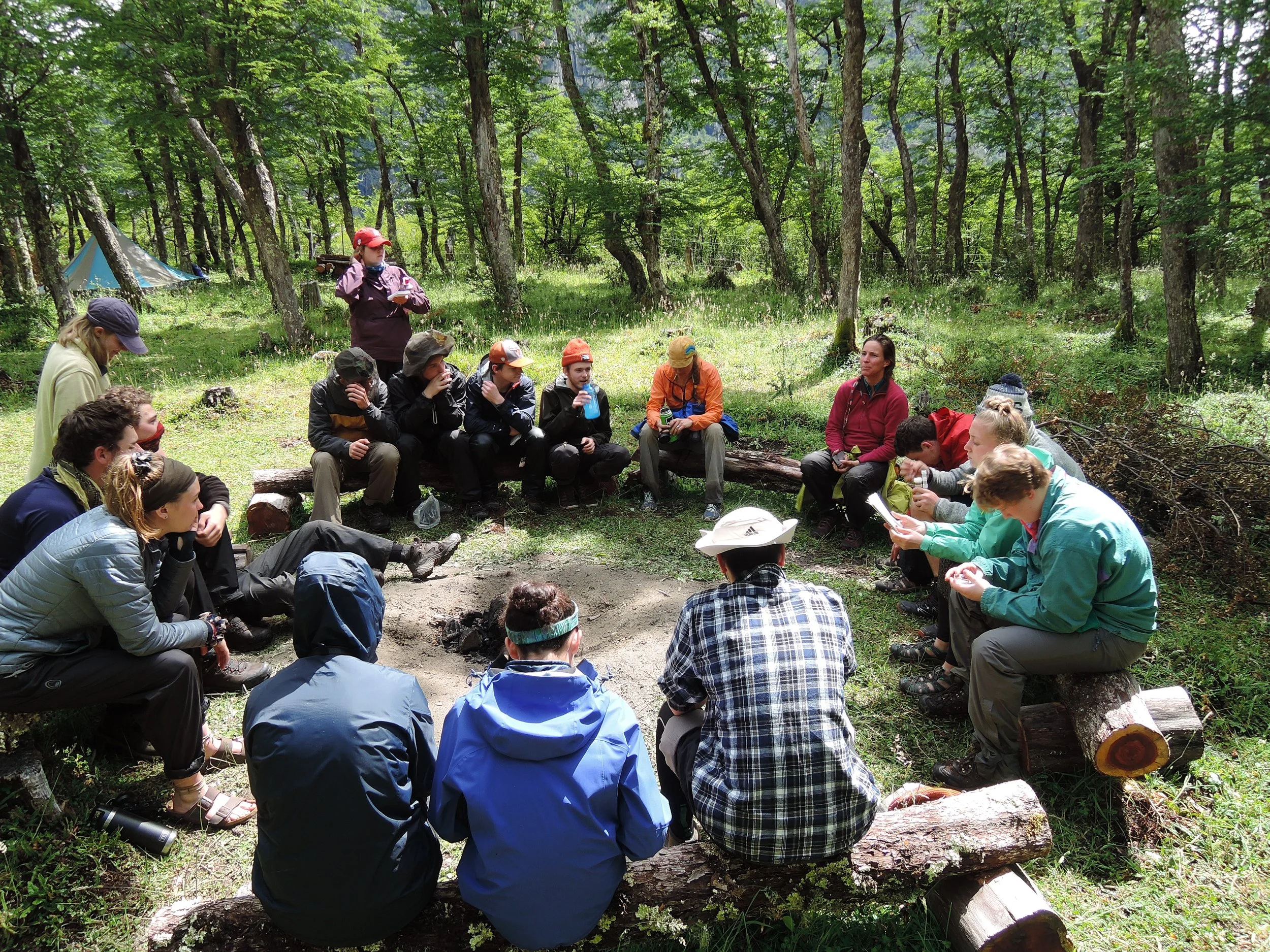
Day 2: In the morning, we board the bus to Bertrand. The six-hour bus ride travels on dirt roads with two stops, arriving in Bertrand around 3 p.m. A private boat transfer will take us to Patagonia Frontiers base camp, where we will review the week’s schedule, discuss expectations, and share our first campsite meal.
Day 3: After breakfast, we will focus on ration planning, route discussion, final bag packing, and a full gear check. We will begin to familiarize ourselves with the valley and its surroundings. Depending on timing and conditions, there may be short to medium-length day hikes (1–18 km).
Day 4: Begin hiking to the first campsite. Our route includes at least one river crossing and overlooks the vast expanse of Patagonia. We will stop for an on-trail lunch before continuing to the ancient confluence of glacial flows, where we will spend the night (~12 km).
Day 5: We have the opportunity to hike in and around Laguna San Rafael National Park. If conditions allow, this day may include views of the Soler Glacier. We may choose from a variety of possible campsites depending on weather and timing (12–18 km).
Day 6: Hike through the area affected by a modern glacial flood and into the hanging valleys beyond (10–18 km).
Day 7: Return to Patagonia Frontiers’ main ranch along the Gaucho Way, crossing glacial rivers and exploring the valley with new eyes and greater understanding. In the evening, enjoy a celebratory dinner and a well-deserved night’s rest.
Day 8: After an early breakfast, we will take a private boat transfer back to the bus stop in Bertrand, then travel along the Carretera Austral to Coyhaique. Here, we will debrief, relax, and enjoy the atmosphere of a Patagonian town.
Day 9: Depart from Balmaceda Regional Airport.
*Itinerary subject to change based on conditions, individual levels, conditions, agreed upon logistics, and educational goals.
Curriculum overview:
Geography: Moraines, Braided rivers (Oxbow lakes, bars, channel morphology), U shaped valleys, Introductory sedimentology (Clues to past events), Icefield effects on local weather, Catastrophic winds, chinooks, rain shadows outburst floods, Introductory hydrology (Maximum flow and conditions, LNT, dry and safe camping, where to hike and how to plan routes accordingly).
Expedition Skills: Bag packing, Rationing, Campsite etiquette, Hiking and travel techniques, Navigational techniques, Expedition behavior, Adaptability, Risk management, Planning /Preparedness, River crossing techniques.
Culture and History: History of the region and local customs.